Osaka Sumo Tournament Seating Chart and Best Seats Guide
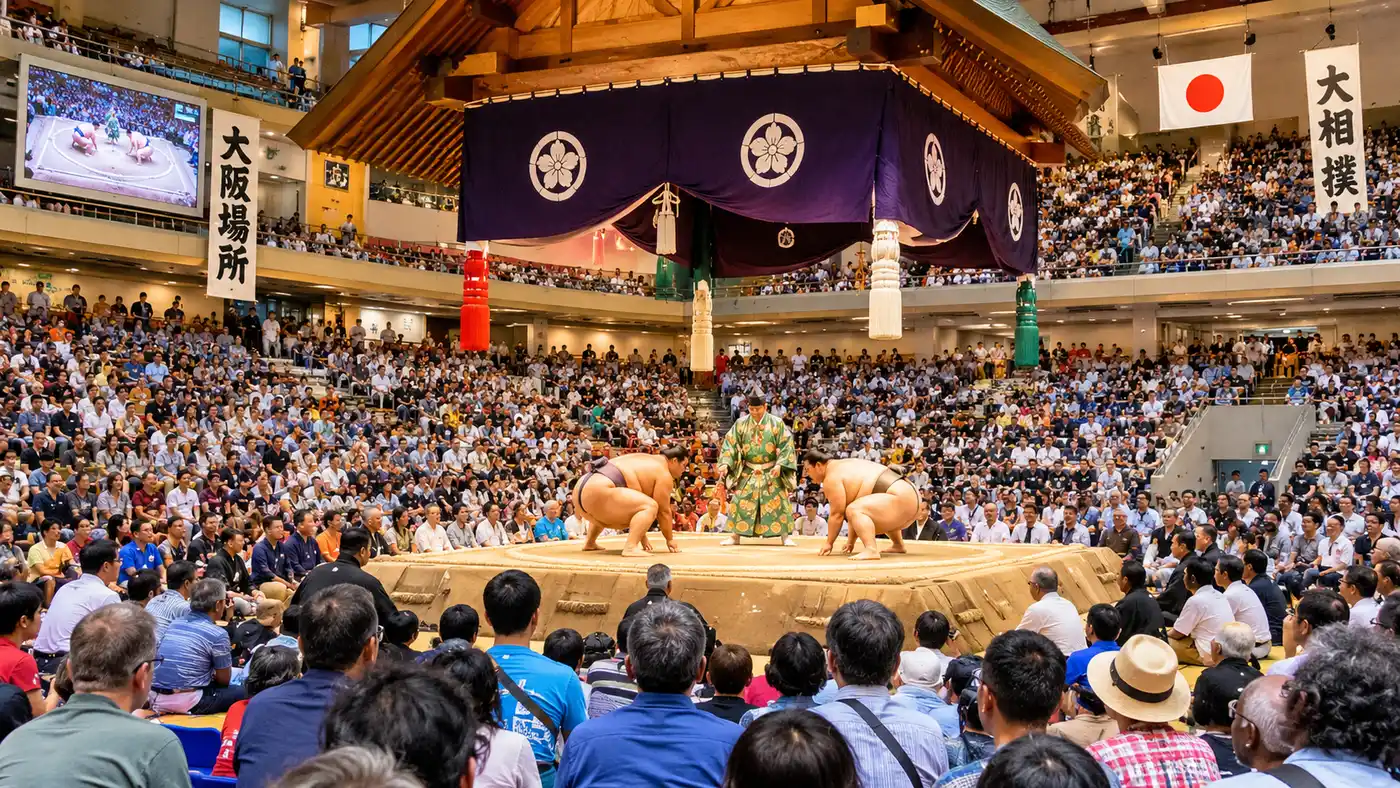
Walking into EDION Arena Osaka on a brisk March afternoon hits your senses immediately. The air smells faintly of sweet bintsuke hair wax, beer, and fried chicken from the concession stalls. Down on the dirt ring, two massive men slap together with a hollow thud that reverberates right into your ribs. Before you ever get to hear that sound in person, you have to stare down an osaka sumo tournament seating chart and figure out where on earth you want to spend the next five hours.
Navigating the floor plan of the March Grand Sumo Tournament (the Haru Basho) can feel overwhelming if you have never been. The arena is not huge, which is great for sightlines, but the ticket categories are totally unlike a western basketball game or concert. Between traditional floor boxes, ringside cushion seats, and steep balcony chairs, your choice shapes your entire afternoon. Let's break down the layout, the pricing tiers, and the physical reality of sitting on a tiny cushion versus an elevated stadium seat.
Book your sumo wrestling osaka experience:
Deciphering the EDION Arena Floor Plan and Tiers
EDION Arena Osaka, officially called the Osaka Prefectural Gymnasium, is a compact venue sitting about an eight-minute walk south of Namba Station. Because it is smaller than Tokyo's massive Ryogoku Kokugikan, osaka sumo tournament seating feels wonderfully intimate. Even up in the cheaper rows, you are rarely more than 45 meters away from the action on the dohyo. The building splits neatly into two distinct levels: the ground floor, which is dominated by floor cushions, and the elevated second-floor balcony, which holds conventional theater-style seats.
Studying an osaka sumo seating chart reveals three broad categories. Right around the clay ring sits the Tamari-seki, or ringside seats. Behind them, spreading out in concentric square sections across the flat hall floor, are the traditional Masu-seki (box seats). Then, hanging over the ground floor on four sides, sits the second-tier balcony, divided into Chair A, Chair B, and Chair C.
To help you compare the options before you try to secure your Osaka sumo tournament tickets, here is how the primary seating categories stack up inside the arena:
| Ticket Category | Location | Seating Style | Approx. Cost per Person | Best For |
|---|---|---|---|---|
| Tamari (Ringside) | Rows 1-6 from Dohyo | Single zabuton cushion | 15,000 to 20,000 JPY | Purists, no food/drink allowed |
| Masu A (Box) | Front half of ground floor | Cushioned 4-person box | 10,000 to 13,000 JPY | Atmosphere and close views |
| Masu B & C (Box) | Back half of ground floor | Cushioned 4-person box | 8,000 to 10,000 JPY | Traditional vibe on a budget |
| Chair A (Balcony) | First 3-4 balcony rows | Padded stadium chair | 5,500 to 6,000 JPY | Comfortable viewing, photography |
| Chair B & C (Balcony) | Mid-to-rear balcony | Hard stadium chair | 3,500 to 4,500 JPY | Casual fans, tight budgets |
Ground floor seating requires taking your shoes off before you step into your allocated square. You place your footwear into plastic shopping bags and stash them directly behind or under your cushion. Up in the balcony, you keep your shoes on, just like in any standard arena anywhere else in the world. It sounds like a minor detail, but slipping shoes on and off every time you want a draft beer or a restroom break gets old fast.
The Reality of Masu Box Seats: Views, Cramps, and Etiquette
Everyone looks at photos of Japanese sumo and dreams of lounging in a box seat with a bento box. Masu boxes are square sections demarcated by thin metal pipe railings, measuring roughly 1.3 meters on each side. Inside that square, four flat zabuton cushions sit directly on the carpeted wooden risers. When four grown adults sit in a standard box, knees inevitably touch knees.
If you want unbeatable energy, box seats sumo osaka views are impossible to match. You hear the referee chanting his cadence, see the salt spraying through the air, and watch the attendants rake the dirt between bouts. Snagging a masu a seat osaka sumo puts you close enough to see the sweat glistening on a wrestler's collarbone. The trade-off is physical endurance. Sitting cross-legged or kneeling for six straight hours is agonizing if your hips are tight.
Pro tip: If you book a standard four-person box for just two people, you will pay double the per-person ticket rate, but your knees and lower back will thank you by 4:00 PM.
Local fans often bring little inflatable seat cushions or low-profile folding stadium pads with back support. While tall stadium backrests are banned because they block the line of sight for the group sitting directly behind you, compact padded stadium wedges are generally permitted. Also, eat your bento early. Balancing a hot lunch box, a canned highball, and souvenirs inside a full four-person box takes genuine acrobatic skill.
The vibe in the masu seats changes completely around 3:30 PM. That is when the top-division Makuuchi wrestlers enter the arena. Empty boxes suddenly fill up with boisterous salarymen, older Osaka locals, and families unboxing stacks of skewered yakitori. The collective gasps and cheers ripple through the ground floor in a way you simply do not feel from high above.
Balcony Chair Seats and Non-Reserved Options
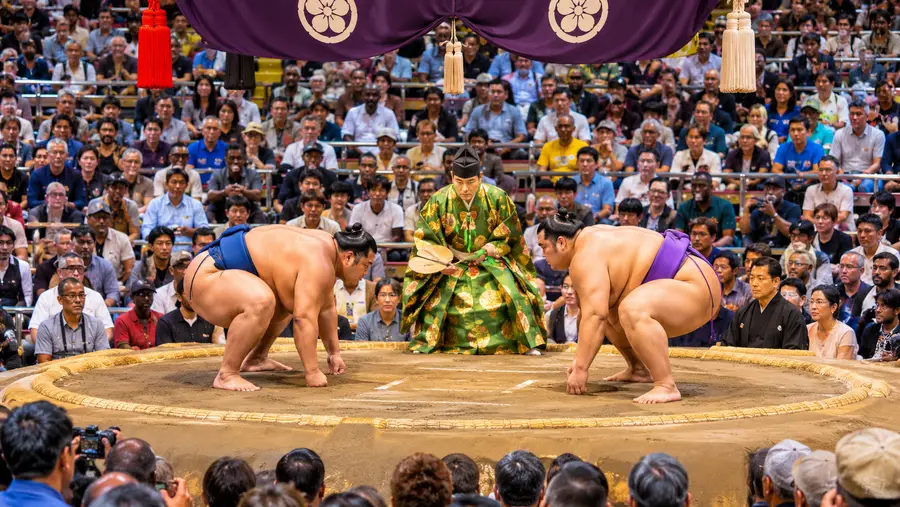
Balcony chairs get an unfair reputation as second-best. Honestly, I often prefer them. The second-tier chairs at EDION Arena are mounted on a steep rake, meaning the person sitting in front of you almost never blocks your line of sight. If you are tall, have cranky joints, or prefer easy access to aisles, balcony chairs are the smartest sumo osaka seating choice you can make.
Chair A occupies the prime front rows of the balcony level. From here, sumo osaka views give you a bird's-eye perspective on the ring tactics. You can see footwork, shifts in balance, and belt grips with crystal clarity. Chair B and C sit progressively higher. The top rows of Chair C are right up against the concrete ceiling, but because EDION is relatively small, the wrestlers still look like human beings rather than tiny plastic figurines.
Note: Non-reserved seats on the same day were once a staple of Haru Basho, but ticketing policies have moved almost entirely digital; do not count on lining up at dawn for same-day tickets without verifying the current year's box office rules.
Historically, non reserved seats sumo osaka fans chased were the absolute last row or two of the balcony, sold early in the morning at the stadium window for around 2,500 yen. Recent tournaments have seen the Japan Sumo Association phase out most unreserved rush ticketing in favor of advance online sales. If you happen to visit during a year where physical rush tickets are issued, expect lines to form along the sidewalk as early as 5:30 AM for a shot at maybe 200 available tickets.
Book your sumo wrestling osaka experience:
Which Sumo Seats Should I Buy in Osaka?
When travelers ask me how to choose sumo seats osaka, I tell them to be completely honest about their physical comfort. It is easy to romanticize traditional floor sitting until you are 90 minutes in and both your feet are numb. If you find yourself searching online at midnight wondering "which sumo seats should i buy edison osaka" or mistyping phrases like "whicj sumo seats should i buy osaka" into ticket portals, let this simple breakdown guide your cart.
- First-timers who want the iconic vibe: Go for Masu A or Masu B. Nothing compares to the historic atmosphere of sitting on the floor, passing snacks around, and shouting encouragement from your own cordoned-off square.
- Solo travelers and budget backpackers: Choose Chair B or Chair C. You get an actual backrest, a clear view of the clay, and a ticket that leaves plenty of yen for street food in nearby Dotonbori.
- Travelers over 6 feet tall: Pick Chair A. Masu boxes will fold your long limbs into an uncomfortable pretzel, turning what should be a fun sporting event into an exercise in pain management.
- Serious photographers: Book front-row Chair A along the East or West aisles. You clear the heads of the crowd below, wrestlers walk directly beneath your vantage point, and you can rest a long zoom lens securely on your lap.
If you are heading to the tournament with elderly relatives or small children, chair seating wins every single time. Balcony stairs are steep, but walking up them once beats trying to help a grandparent stand up off the floor after three hours on a tatami mat. For more logistics on getting into the building, check out our companion EDION Arena Osaka sumo guide.
North, South, East, West: Does Your Angle Matter?
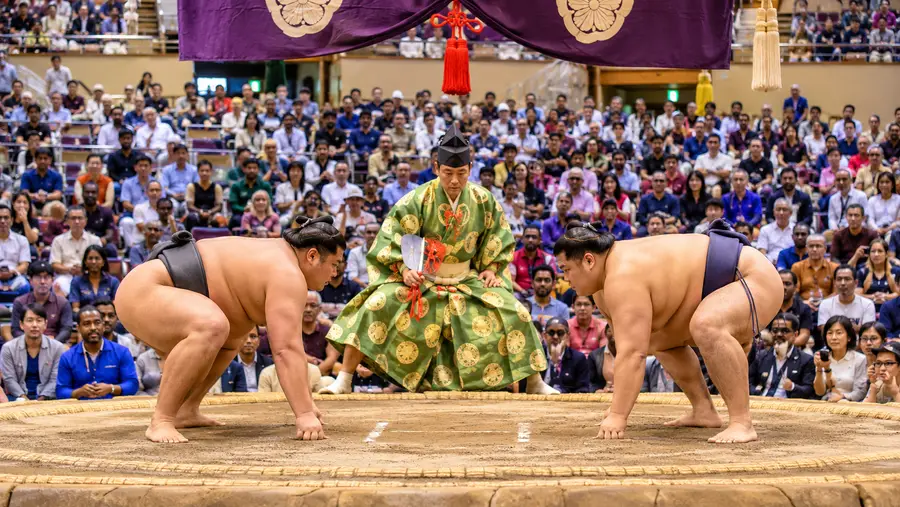
When you look at an osaka sumo seating chart, you will see four sides labeled North, South, East, and West. The ring looks identical from all directions, but the cultural experience shifts depending on which side of the building you land on. Wrestling purists obsess over these compass points when they prepare for the haru basho osaka decide seats scramble.
The orientation dictates where the referee stands, which way the wrestlers face during ceremonies, and where television cameras point:
- North (Shomen): This is the official front of the hall. The referee (gyoji) spends most of his time facing this direction, and dignitaries or royalty sit on this side. VIPs choose North.
- South (Mukojomen): This is the side directly opposite the front. The main NHK broadcast cameras are positioned here, meaning you see the action exactly as television viewers do at home, looking straight into the referee's face.
- East (Higashi): Wrestlers assigned to the East camp enter from this corridor. You get great looks at popular East-side rikishi as they warm up in the hallway before their bouts.
- West (Nishi): Opposite the East, this side hosts the West stable entrances. Sunlight from the high windows sometimes glares slightly on the West balcony during early afternoons, but it clears up by the time the top bouts start.
Does it make or break your day if you get stuck on the West side instead of North? Not really. The bout lasts between three and thirty seconds, and wrestlers spin around rapidly across the entire diameter of the ring. Any seat with a clear line of sight will give you an unforgettable view of the clash.
Frequently Asked Questions about osaka sumo tournament seating chart
What are the absolute best seats for the Osaka sumo tournament?
For sheer atmosphere, Masu A box seats in rows 1 through 5 on the North or South sides are the gold standard. For physical comfort and tactical overview, front-row Chair A seats on the balcony offer the best balance of sightlines and lumbar support.
Can foreigners buy Tamari ringside seats?
Tamari seats are almost entirely reserved for sumo supporters' clubs (koenkai), sponsors, and local dignitaries through lottery draws. They rarely reach general international sales channels, and they enforce strict rules against eating, drinking, or operating mobile phones.
Are Masu box tickets sold per person or per box?
Masu boxes are sold as an entire unit. If you buy a standard 4-person Masu box, you pay for all four spots regardless of whether you show up with four people, two people, or alone.
Can I bring my own food and drinks into EDION Arena?
Security permits modest amounts of outside snacks and non-alcoholic drinks, but official stadium vendors sell beer, sake, bento boxes, and snacks throughout the concourses. Bringing rolling coolers or cases of beer is strictly prohibited.
Quick Reference
- Ground floor Masu boxes require shoes off and floor cushion seating.
- Balcony chair seats provide stadium backrests and steep sightlines.
- North side is considered the front; South side faces the TV cameras.
- Box seats are priced for the entire box (usually 4 people).
- EDION Arena is compact, meaning there are virtually no blind-spot seats.
Book your sumo wrestling osaka experience:
My Take
Every seat inside EDION Arena has something going for it, provided your expectations match your ticket. If you want the full sensory immersion of traditional Japanese sport, swallow the leg cramps, split a four-person Masu box with your favorite travel companion, and kick off your shoes. If you know your knees will give out after an hour, skip the romantic floor cushion fantasy and grab a front-row balcony chair. You will enjoy the thunderous collisions and electric Osaka crowd just as much without spending the next morning hunting down pain relief patches at the nearest pharmacy.
Read more about sumo wrestling osaka.